-p-1080%20(2).avif)
If you ask locals what massage Santa Barbara offers, you will find them debating the pros and cons of a Swedish vs. deep tissue massage. Despite gaping differences between the two, both are extremely popular in California, and for a wide array of reasons too. Swedish massage is gentle, ideal for relaxation. Deep tissue massage is firmer, with relief being its primary goal.
Simplified, using moderate pressure and long strokes, Swedish massage calms body and mind. It eases stress. It also forms the basis of many techniques used in deep tissue massage, making the two similar in a few notable ways. However, the deep tissue vs. Swedish massage debate highlights fundamental differences too, which might well decide the best method for you.
The Swedish Massage
People love a good Swedish massage. This trend is worldwide, but in Santa Barbara particularly, people book well ahead. This is a full body treat, so it is wise to leave only the clothes you need for comfort. With the use of lotions and oils, this massage enhances oxygen flow to the blood, while increasing white blood cells to better fight disease and improve immune response.
Key Differences
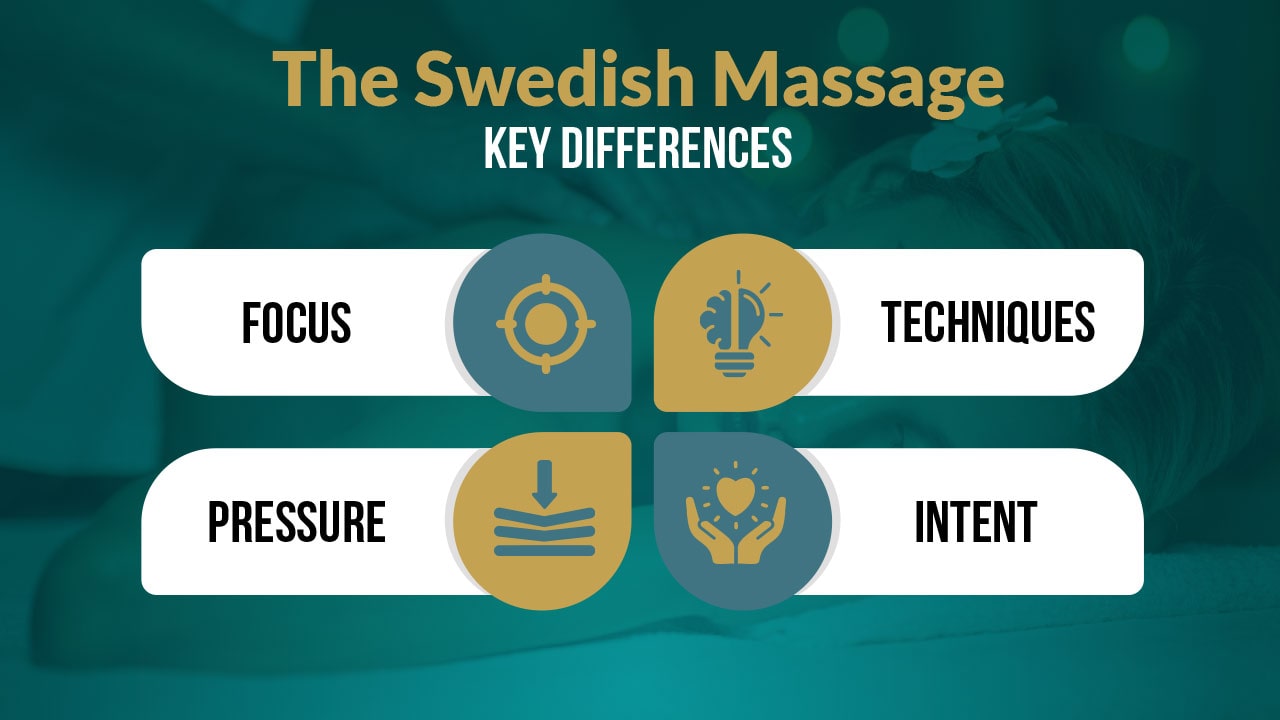
Not only will a simple Google search for “Swedish massages. deep tissue” reveal some important similarities for these two services, but you will notice some obvious differences too. Understanding them will make it easier to know which option will give you what you need most. If you have any questions, it is always smart to ask, but these are the main traits of a Swedish:
1. Focus
A Swedish massage focuses primarily on ridding the body of stress. It aims to relax you completely, entirely, every organ, muscle, and cell. The goal is to clear body and mind of tension and worry, loosening stiffness and easing movement of all bodily functions.
2. Techniques
Top of the Swedish massage vs. deep tissue massage debate is technique. The Swedish relies on five basic strokes of varying intensity to release tension, which stimulate blood circulation to the deepest muscles and connective tissues, or fascia, underneath. These techniques include:
· Effleurage:
This method involves long, rhythmic strokes across the skin. In addition to its relaxant properties, this stroke allows the masseuse to identify problem areas and fix them.
· Friction
By using friction, your therapist can up your blood flow and quickly release pent-up stress. Short, fast strokes create heat, which works well to loosen muscles and ease mild pain.
· Petrissage
The act of squeezing the muscles and gently lifting them, called petrissage, promises deep relaxation. This is among the fastest ways to release muscle tension.
· Vibration
Vibrating the muscles is another way to relax them effectively. Fast, superficial strokes can create a healing vibration that leaves you calm and chilled for many hours after. Days even.
· Tapotement
Tapotement is a technique that essentially strikes the body to ease tension. Your therapist will hit you. Gently, of course. The “karate chop” provides an excellent example of tapotement.
3. Pressure
The most notable difference when it comes to deep tissue massage vs. Swedish is the pressure used to exact results. Where the Swedish massage is light and gentle, a deep tissue massage is more forceful, perhaps overly so for those who just want to relax without pain or discomfort.
4. Intent
Intent matters. Where the light pressure of a Swedish massage alleviates stress, loosens muscles, and rejuvenates, a deep tissue massage offers various medical uses, such as working knots, aiding muscle recovery, and causing some pain during and after. It is not relaxing.
Benefits of Swedish Massage
Expect some notable benefits from a light massage. It decreases cortisol, effectively lowering stress. It improves blood flow, delivering more oxygen to tissues and muscles. What is more, by promoting white blood cell production, it boosts immune health, increasing lymphocyte numbers dramatically. It stretches muscles and eases tension, greatly improving flexibility.
When Swedish Works Best
If you just want to relax, then a Swedish massage is ideal for you. However, there are other times it works too. For example, the U.S. National Library of Medicine explains that, by reducing stress, it effectively treats stress-related issues, like generalized anxiety and inability to focus. It also steadies heart rate and blood pressure, making it ideal for those with circulatory troubles too.
The Deep Tissue Massage
When deciding on the Swedish massage vs. deep tissue debate, know that when your therapist applies forceful pressure, it can feel the opposite of relaxing. The goal is to release strains and knots through to the deepest muscle layers and connective tissues. You might need a deep tissue massage to help recover from injury. While not painful, per se, expect some discomfort.
When a Deep Tissue Massage Works Best
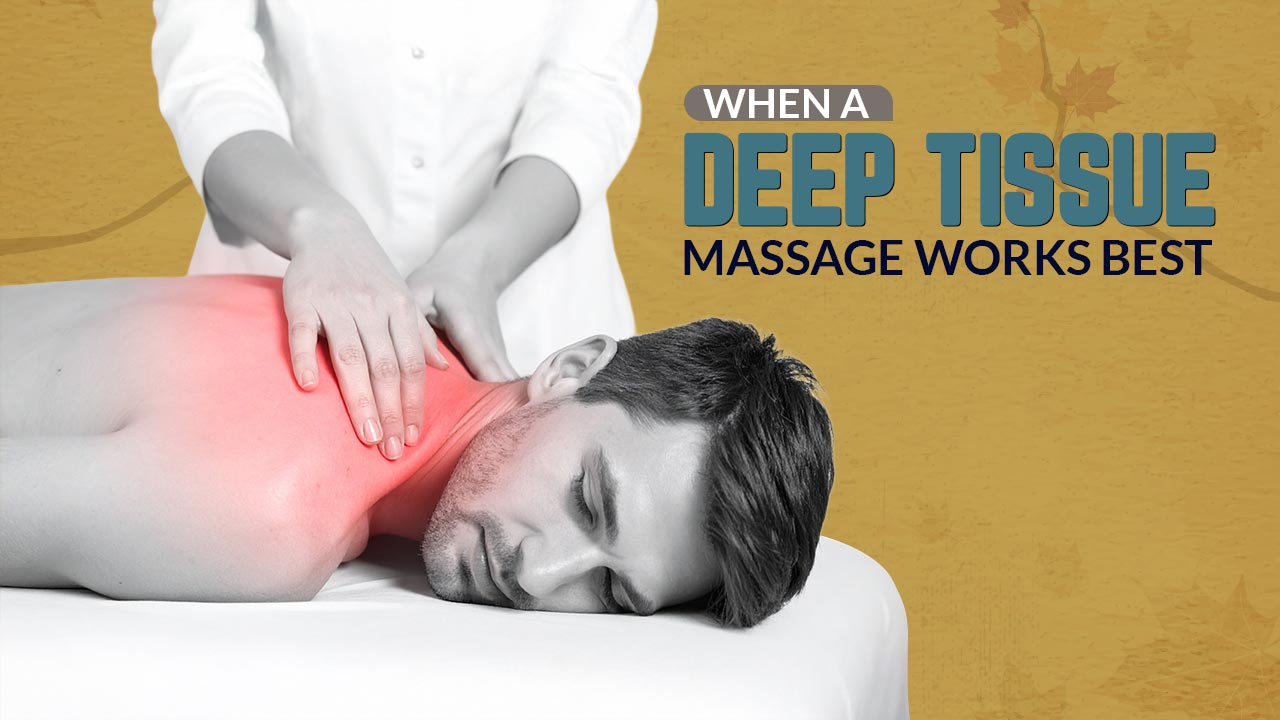
If you are in recovery, after a sports injury or an accident, as examples, then a deep tissue massage will benefit you more than a Swedish. Further, those with spine abnormalities or other structural issues might find this option more rewarding, since by releasing chronic and severe muscular tension, it can promote better posture, motor function, and overall wellbeing.
Preparation: Deep Tissue vs. Swedish Massage
Before booking your session, consider what you need to get most out of it. Never book an appointment without first doing homework. Many masseurs specialize in specific forms of massage, such as pregnancy therapy or sports injury recovery. Finding the right one is another consideration. You want an enjoyable massage where possible, since you also want it effective.
· De-stress beforehand. If you can. By releasing stress and tension first, you can maximize the benefits of your massage. Try visiting a spa or a sauna, if money allows. If not, consider running or another tiring workout.
· Shower before your appointment. This is just common decency and respectful toward your therapist. He or she will appreciate the good hygiene, and you will have peace of mind.
· Before starting your massage, discuss your needs and expectations with the masseuse. Tell him or her what pressure you need. Talk about any sore areas or tense muscles that need work. Importantly, alert him or her of any sensitivity or injury, both past and present, to avoid potential harm.
Swedish Massage vs. Deep Tissue Massage: Conclusion
While there are many similarities between a deep tissue massage and a Swedish massage, they differ greatly in their intended purpose and in the pressure that they use. As far as the massage Santa Barbara offers, both services are popular and beneficial in their ways. Swedish massage relaxes surface muscles, promoting circulation in the process, and without any pain.
In contrast, deep tissue massage works through the many muscle layers to eliminate knots and release existing tension. By force. To get the most out of your session, it is important to choose the technique that will help you most. At Essence Spa, an accredited masseuse is available to offer much-needed advice and guidance; answer the questions you may have. Just get in touch.
.png)


.png)
.png)
%20(1).png)